Collect
Growers within reach of Embilipitiya sell us the stem they would otherwise clear at their own expense. Cut, loaded, weighed and paid on the spot.
.png)
Every banana bunch cut in Embilipitiya leaves a stem behind. We take that stem — soft, wet, usually burned or left to rot in the field — and draw a long, lustrous golden fibre out of it. No harsh chemicals. No effluent. Just water, machines and sun.
The mark is a cross-section.
A pseudostem is nothing but
sheath wrapped on sheath.
The material
A banana plant fruits once. After the bunch is cut, the pseudostem has done its job and the farmer clears it — by hand, at a cost, with nothing to show for it.
Inside that stem sit layers of long cellulose strands with high tensile strength, a natural sheen and complete biodegradability. Ranthu separates them mechanically within hours of harvest, washes them in clean water, sun-cures them on raised racks and grades them by hand into lots.
What leaves our yard is a fibre good enough for yarn, cordage, moulded packaging and paper. What stays behind goes back to the fields as compost.
Indicative pilot-line figures. Yield varies with cultivar, stem maturity and time between cutting and decortication.
Stem to strand
The fibre is best when the stem is fresh, so the whole line is built around speed. Stems collected in the morning are on the drying racks the same afternoon.
Growers within reach of Embilipitiya sell us the stem they would otherwise clear at their own expense. Cut, loaded, weighed and paid on the spot.
Outer sheaths are separated and fed through a raspador drum that scrapes away pulp and frees the strand. Machines only — no retting tanks, no caustic.
A clean-water rinse lifts residual sap. Wash water is settled and returned to the fields; the pulp is composted for the growers who supplied it.
Fibre is hung on raised racks under open Sabaragamuwa sun until moisture is down to storage level. Sun is what sets the colour and the shine.
Sorted by hand into length, lustre and strength classes, then combed, weighed and baled to order for spinners, mills and craft workshops.
What we sell
We supply graded fibre by the bale and finished goods by the piece. Sampling, custom counts and private-label runs are all on the table — tell us the specification and we will quote against it.
Combed, sun-cured strand in length and lustre grades, baled to your weight. The base material for everything below.
By the bale · A / B / C gradeSpun singles and plied twine for weaving, macramé, upholstery trim, agricultural tying and marine-adjacent rope work.
Counts to orderMoulded trays, wraps and handmade sheet stock for tea, spice, cosmetics and gifting — a plastic-free shelf presence with a visible grain.
Moulded & sheetHandloom yardage in banana-cotton and banana-linen blends, made up into shirting, jackets, scarves and resort wear with local weavers.
Handloom · BlendedWoven mats, baskets, lampshades, table linen and stationery produced with workshops and self-help groups around Embilipitiya.
Craft partnersChopped and needle-punched fibre for bio-composite panels, geotextile and filler applications. Trial quantities available.
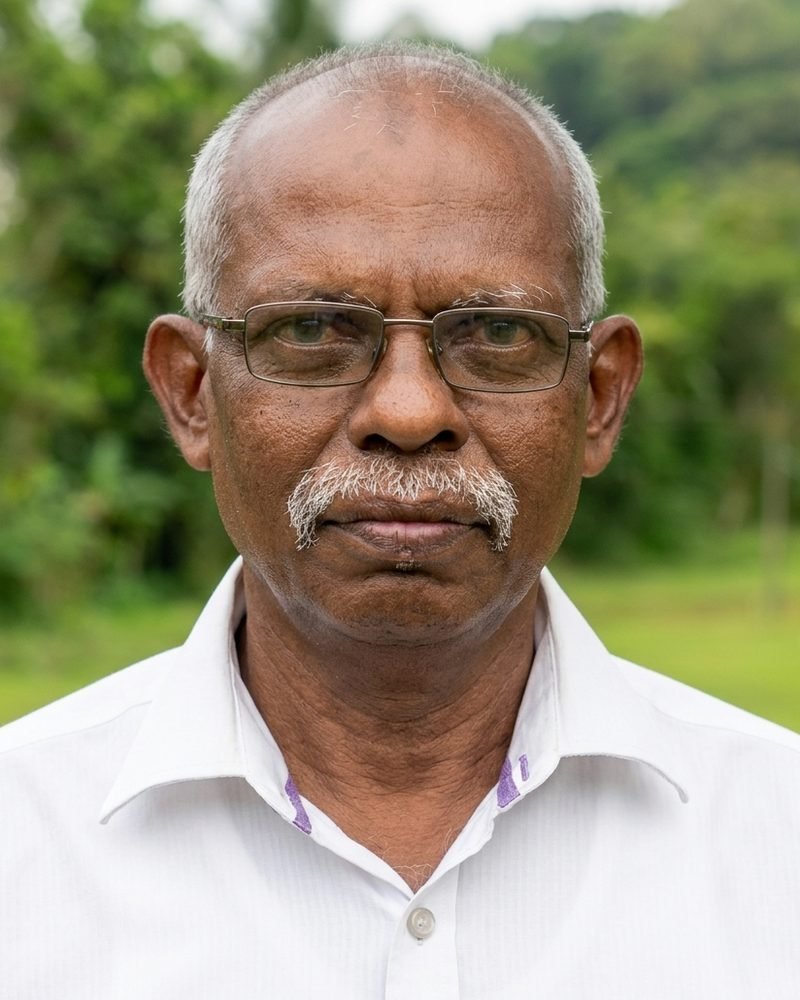
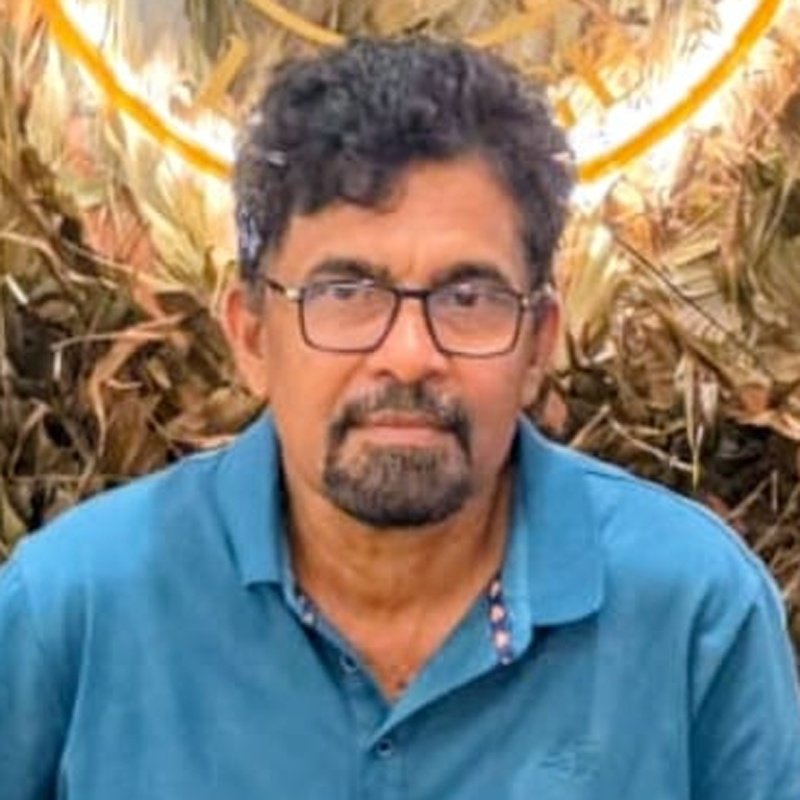
R&D quantitiesThere is no waste. Only material waiting for a use.Mr. Fonseka · Founder
Who is behind it
Ranthu started as an argument about rubbish — whether a heap of cut banana stems on a roadside in Embilipitiya was a problem to clear or an industry waiting to be built.

Where we are
Embilipitiya sits in the dry-zone lowlands of Sabaragamuwa, fed by the Walawe scheme — some of the most productive banana land in Sri Lanka. Thousands of plants are harvested here every week, and every one of them leaves a stem.
Putting the line in the middle of that supply is the whole point: short haulage, fresher stem, better fibre, and money that stays in the district.
Talk to us
Tell us what you need the fibre to do and we will send a sample card with the grades that fit, plus pricing by volume.
Replace the contact details above with your live email, phone and street address before publishing.
This opens your email app with the message filled in. Connect a form service to receive enquiries directly.